Polygel Nails: the Hybrid That Changed Extensions
Polygel is a putty-like nail enhancement that blends acrylic powder and UV gel in one tube. It stays workable until cured under a UV or LED lamp, so there is no rush and no liquid monomer to mix. The result is a lightweight, low-odor extension or overlay with acrylic-level strength.
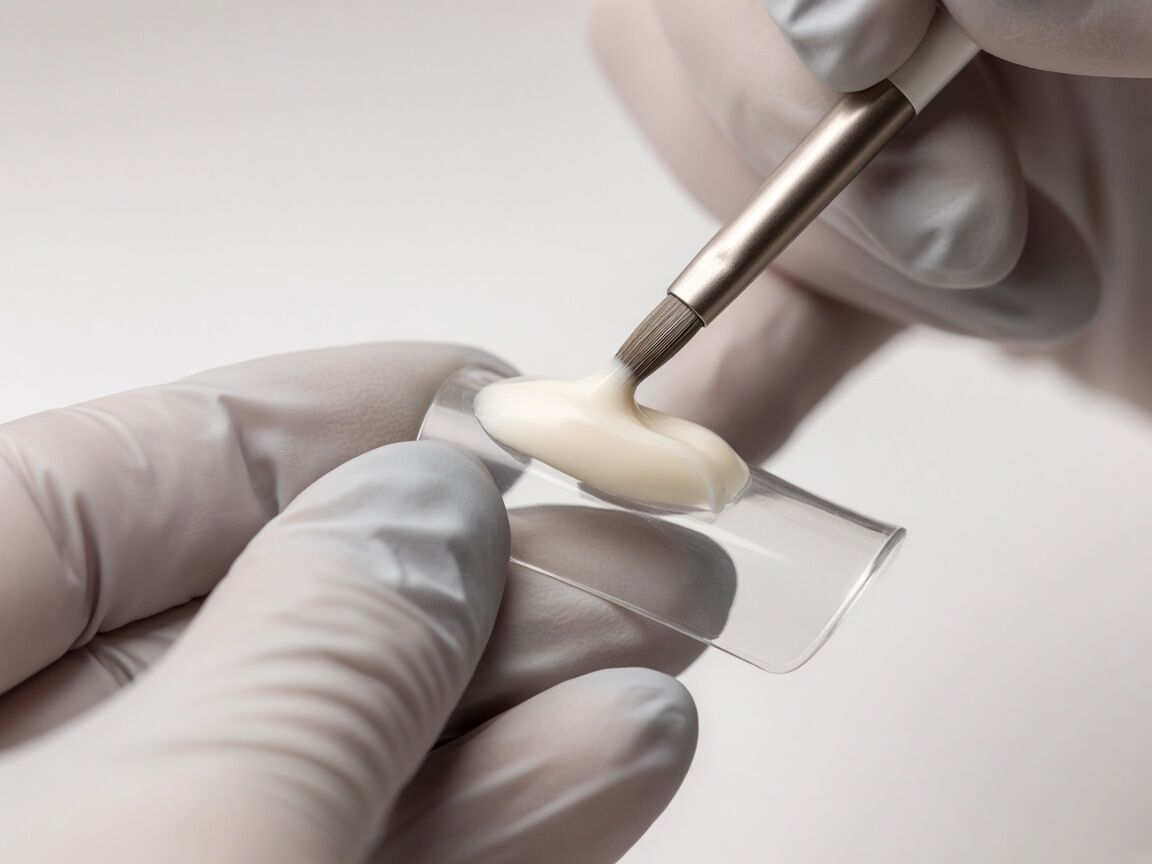
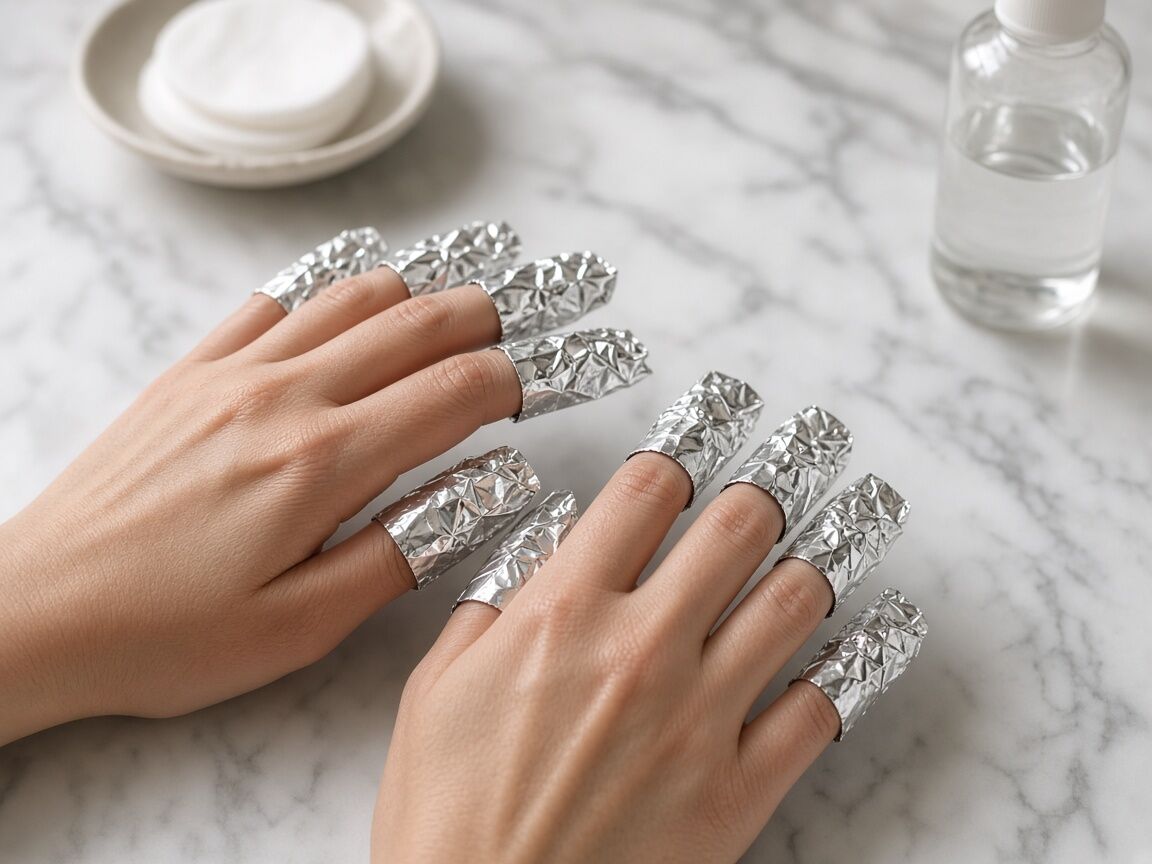
Picture made with AI for this piece.
What exactly is polygel made of?
Hand & Nail Harmony trademarked the first version, Gelish PolyGel, in 2017, according to ND Nails Supply. Many brands have since released their own formulas, but the core concept is the same: acrylic powder suspended in a gel base, dispensed as a thick paste rather than a runny liquid.
Because the formula contains no liquid monomer, Universal Nail Supplies notes it produces less airborne dust and far less odor than traditional acrylics. Allure describes the finished nail as generally lighter than both acrylic and hard gel while keeping comparable strength and flexibility.
Regulatory changes are reshaping the formula. The EU banned the photoinitiator TPO in cosmetic nail products effective September 2025, and the Kline Group reported in November 2026 that brands are reformulating toward HEMA-free and TPO-free alternatives. Planet Nails Australia noted in November 2026 that newer HEMA-free polygels also advertise no heat spike during curing.
How is polygel applied step by step?
The process starts with standard nail prep: clean, lightly buffed nails with no oil or moisture on the plate. A base coat or primer goes on first; Easy Nail Tech notes that skipping or skimping here is a common cause of weak, breakage-prone results.
A bead of polygel is placed onto a nail form or dual form, then shaped with a brush dampened in slip solution. ND Nails Supply explains that slip solution stops the putty sticking to the brush and lets it spread smoothly. Once the shape is right, the nail goes under a UV or LED lamp. Universal Nail Supplies stresses that the lamp must be compatible with the formula — a mismatched lamp leaves the product soft and weak at the core.
Polygel can build a full extension on a form or sit as a protective overlay directly on the natural nail, as InStyle describes. Either way, the lamp-cure method is what separates it from traditional acrylic, which hardens through a chemical reaction with monomer.
How does polygel compare to acrylic, hard gel, and builder gel?
Acrylic requires a liquid monomer and a powder, mixed on the brush in real time — the working window is short and the odor is strong. Polygel removes both constraints: no mixing ratios, no monomer, and unlimited shaping time before the lamp goes on, per Universal Nail Supplies and ND Nails Supply.
Hard gel cures under a lamp too, but it is typically thinner and less sculptable than polygel's putty texture. Builder gel has grown in professional salons in 2026, with Hanyi Nails noting in September 2026 that its skin-first positioning appeals to clients wary of acrylates. Polygel sits between hard gel and builder gel in thickness, which is why Allure calls it a combination of acrylic durability and gel elasticity.
Common problems: lifting, damage, and removal
Lifting near the cuticle is the most frequent complaint. Universal Nail Supplies points to three causes: inadequate prep, residual oil on the nail, or product touching the skin before cure. Keeping polygel a hair's width from the cuticle wall and dehydrating the nail plate thoroughly beforehand addresses all three.
Most polygel formulas are removed by filing rather than acetone soaking, Universal Nail Supplies confirms. Cosmopolitan cautions that over-filing during removal or prep can thin the natural nail plate, so controlled, patient filing matters. InStyle adds that avoiding skin contact with uncured product is the practical step for minimizing acrylate sensitivity risk.
Cosmopolitan notes that fills are generally needed every two to three weeks as the natural nail grows out, keeping the product looking fresh and the free edge supported.
Questions people ask
Does polygel damage your nails?
The product itself is not inherently damaging, but Cosmopolitan warns that over-filing during prep or removal can thin the natural nail plate. Careful technique and patient removal protect the nail underneath.
Can polygel be soaked off with acetone?
Most polygel formulas are removed by filing, not acetone soaking, according to Universal Nail Supplies. Check the specific brand's guidance, as formulas vary.
Is polygel safe for people with gel allergies?
InStyle advises avoiding skin contact with uncured polygel to minimize acrylate sensitivity risk. HEMA-free formulas are now available following EU regulatory changes, per Planet Nails Australia.
How long does polygel last before a fill?
Cosmopolitan notes fills are generally needed every two to three weeks as the natural nail grows. Wear time depends on nail prep quality, the lamp used, and individual nail growth rate.
The Papalocal app finds nail salons near you — available on the App Store and Google Play.
Read: Types of nails, compared
Read: Builder gel nails (BIAB)
More in Articles
 How to Remove Acrylic Nails Without Damaging Your Natural Nails
 Press-On Nails With Glue: Apply, Wear, and Remove Safely
 DND Gel Polish: Formula, Lines, Application, and Who It Suits
 How to Remove Gel Nail Polish Without Damaging Your Nails
 D.I.Y. Nail Growth Base Coat with Biotin
 ▶ VideoStep by Step Shellac Tutorial
 ▶ VideoShellac Safety
 Shellac Pedicure
In:Articles